

Veganism
At Dr. May’s Vet Clinic and House Calls, we support thoughtful, compassionate care for animals and the people who love them. This page explores veganism as a lifestyle choice, including its impact on animal welfare, environmental sustainability, and human health.
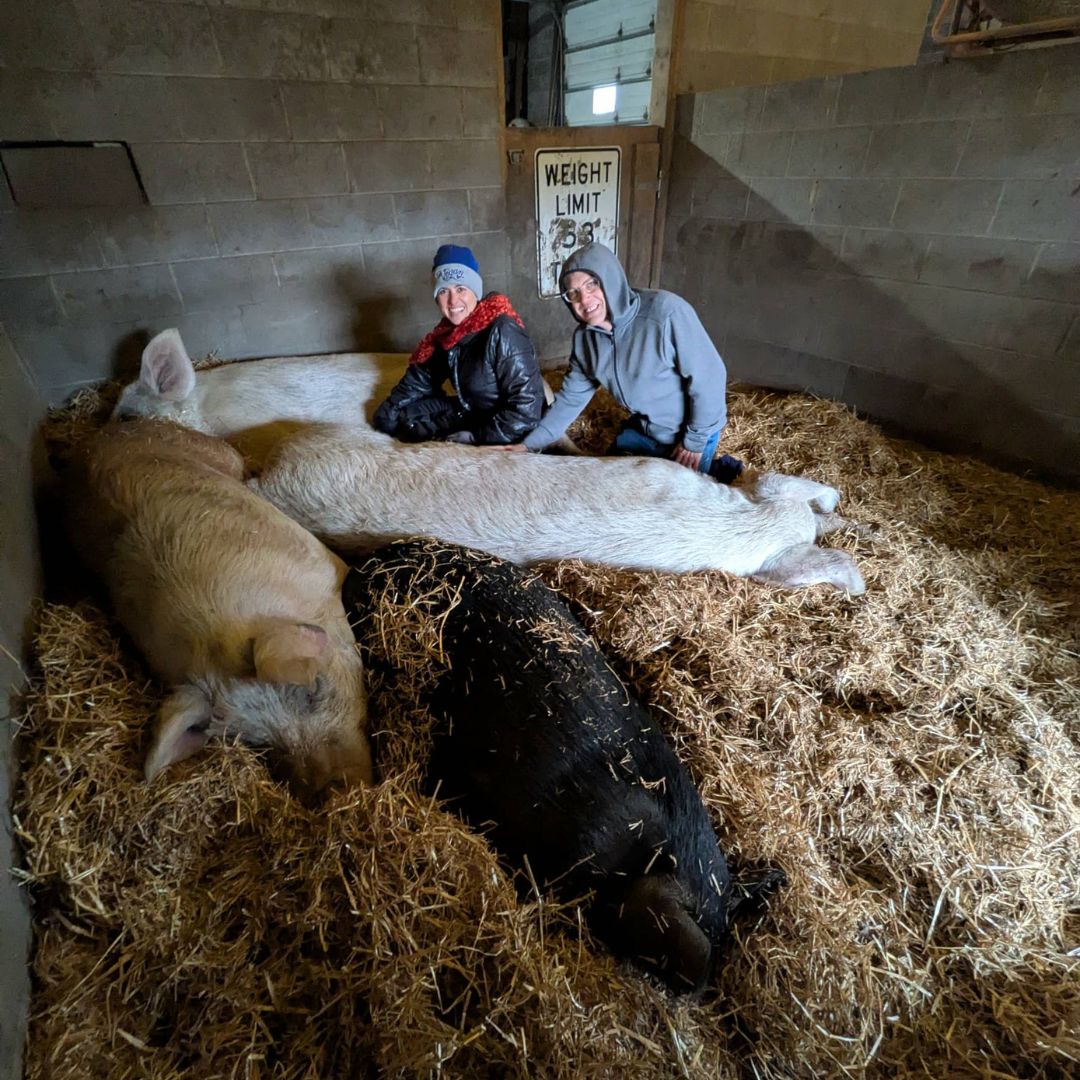
Veganism as a Way of Life
Veganism is a lifestyle chosen by millions of people who show compassion for animals by avoiding products of animal exploitation and abuse. Vegans abstain from consuming flesh, fowl, fish, dairy, eggs, and other animal products due to the extensive animal cruelty and environmental devastation involved in their production. Following a whole-foods-based vegan diet rich in fresh vegetables, fruits, whole grains, legumes, seeds, and nuts also has numerous health benefits over the Standard American Diet. A plant-based diet is also more appropriate than a meat-based one given the enormity of world hunger today.

Understanding the broader impact of veganism on animals, people, and the planet
Veganism addresses multiple interconnected issues, including animal welfare, food distribution, and environmental sustainability. These considerations highlight how everyday choices can have far-reaching consequences.

Animal Welfare
Factory farming has replaced small family farms with confinement systems that treat animals as production units. Billions of animals are slaughtered annually, often under inhumane conditions, despite their capacity for intelligence and suffering.
Global Impact
Plant-based diets require fewer resources and can help reduce global hunger and environmental strain. Reducing reliance on animal agriculture supports more efficient food distribution and decreases ecological damage.


Health and Environmental Considerations
Veganism is not only a compassionate choice but also one with significant implications for personal health and environmental sustainability. Research and global data continue to highlight these benefits.
Human Health
A well-balanced vegan diet rich in whole foods can reduce the risk of heart disease, stroke, obesity, hypertension, and certain cancers, while supporting overall long-term health.
Environmental Effects
Animal agriculture contributes to pollution, depletion of land and water resources, and wildlife extinction. Plant-based diets are more energy efficient, use fewer resources, and require less destruction of wildlife habitats.
Learn More

Educational Resources on Veganism
The following resources provide additional information on veganism, including its impact on animal welfare, global hunger, environmental sustainability, and human health. These trusted sources offer further insight for those interested in learning more.
Farm Animal Rights Movement
Learn more about how a vegan diet can help reduce animal suffering and promote humane treatment of animals worldwide.
Global Hunger and Food Systems
Explore how plant-based diets can improve food distribution and help address global hunger challenges.
The Environment and Diet
Discover how dietary choices impact environmental resources and how veganism can help protect the planet and its inhabitants.
Human Health and Nutrition
Read about the health benefits of a whole-foods, plant-based diet and how it supports long-term wellness.
Vegan Outreach
Find recipes, nutrition tips, and guidance for maintaining a healthy vegan lifestyle.
Vegan Health
Access science-based information on vegan nutrition and maintaining balanced dietary habits.